







What is the real value of art?
Black Art?
I have just spent seven exhausting and exhilarating days in south Florida where I attended Miami Art Week. The week of Art Basel featured individual artists, international galleries, expert panels, installations, lots of food and drink, and overall celebrations around every medium of fine art.
Patrons attended street and garden parties starting with early morning breakfasts into late night parties infused with DJ-led hard beats.
As usual, the offerings were plentiful and have exponentially increased in number.
Art Basel Miami first opened in 2002, and while it was enthusiastically welcomed as a major coup at the time, at its beginning, it carried little representation of Black, Caribbean, and Hispanic artists. Exceptions were smatterings of works from major New York and international galleries.
Miami already had a public museum, MAM (1984) which predated the naming of the Perez Art Museum Miami (2013) which put Miami on the map as a major art destination once the new building was opened. One of the public purposes of PAMM was to acquire art from throughout the minority communities represented in Miami-area- especially Black and Hispanic artists.
But Museums are limited in their reach as well as their collections, so major art festivals, like Basel and the attendant satellite fairs that open with it, draw larger audiences as well as provide a boost to the economy.
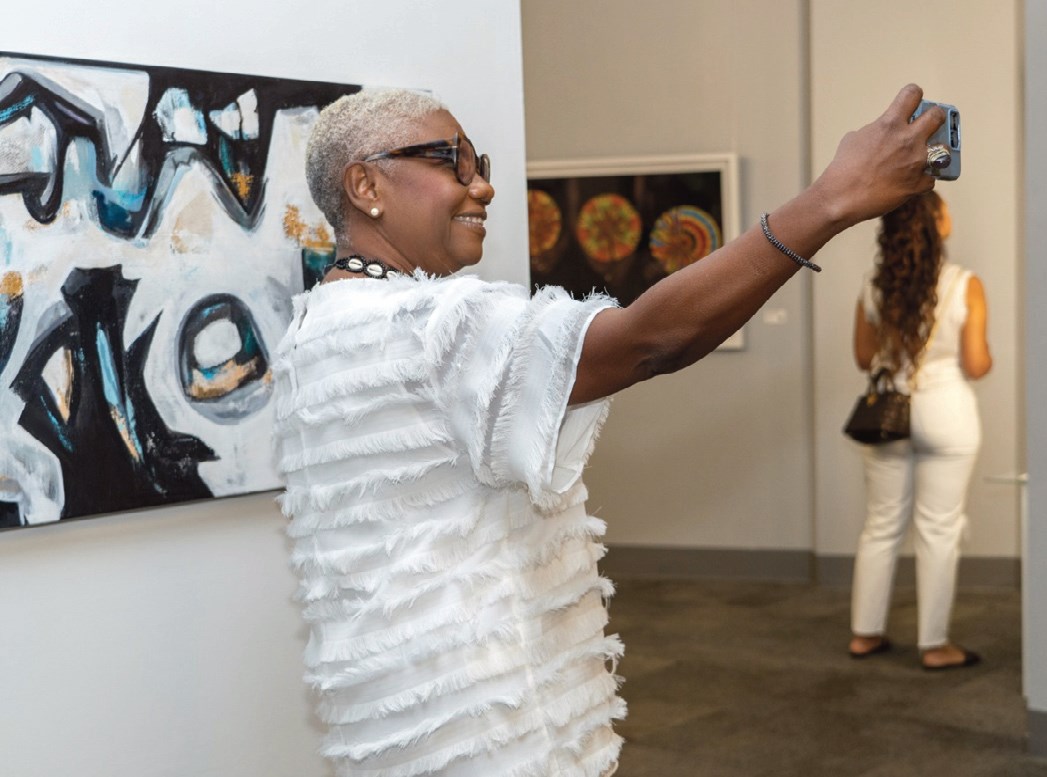
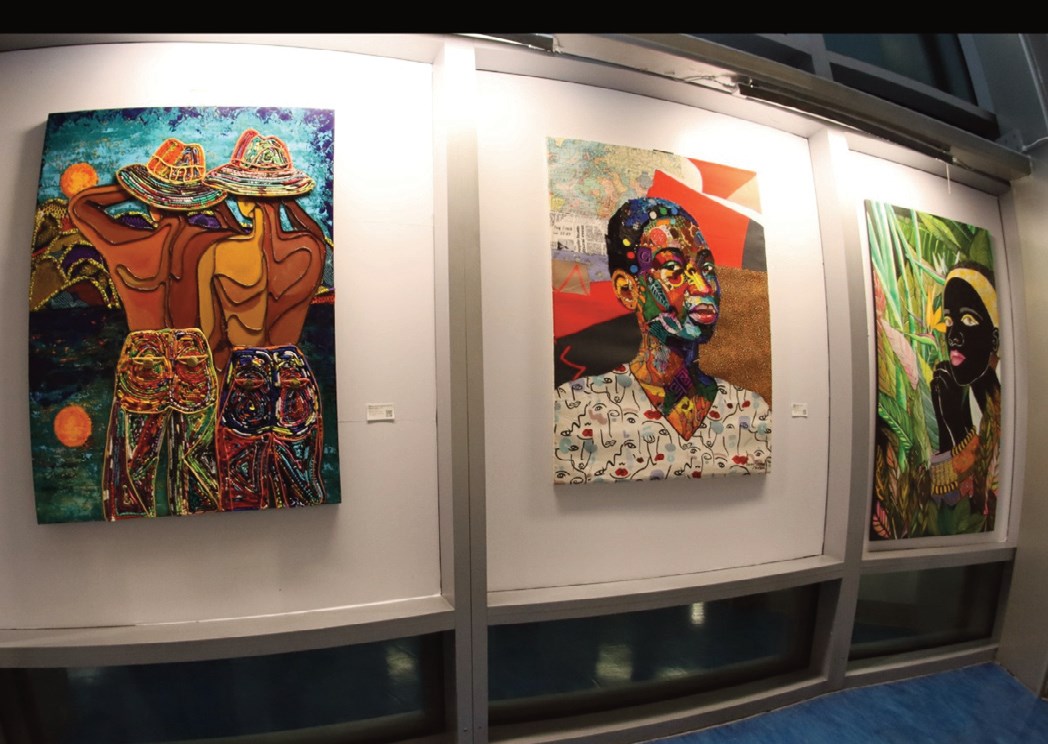
Underrepresentation of minority (Black) artists is no longer the case. Kudos to The Greater Miami Convention and Visitors Bureau for organizing The Art of Black Miami, now in its 13th year. Black art and artists were on full display in every quarter of Miami-Dade County. In fact, the official tourism brochure listed venues focused on Black art which stretched from Miami Gardens in the far north, to Homestead in the far south!
I have been participating and attending this singular event since it began, and this year hit an out-of-the park homerun.
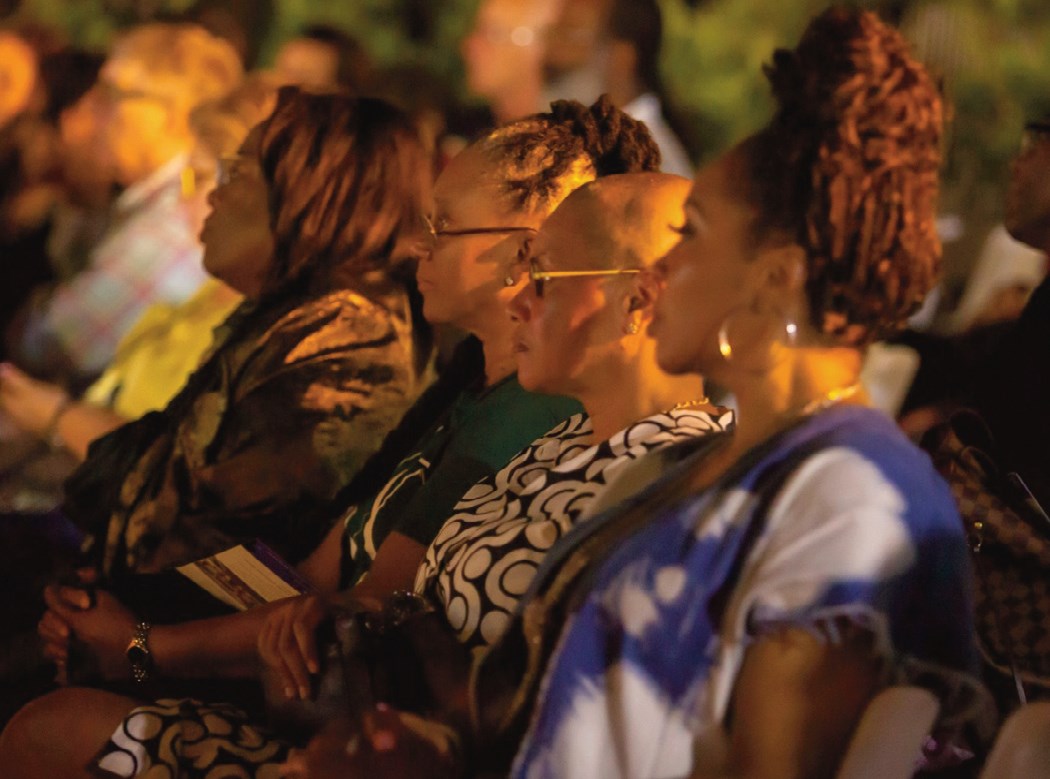
I don’t have enough words to describe the entire experience, but one of the highlights included a panel discussion at CADA during its 16th annual anniversary, led by Curator Ludlow Bailey. Ludlow presented a panel discussion that he opened with a statement about how Black folk maintain our dignity, our presence, our worth, and our humanity, because we are innately born with a spiritual nature called “divine swagger.”
Ludlow invited Marilyn Holifield to speak about her role as co-founder of Miami MoCAAD (Museum of Contemporary Art of the African Diaspora), presently only a virtual museum, but after ten years in existence, MoCAAD is poised to move into the former Miami Women’s jail located in the heart of the Historic Overtown Village after receiving the building from the City of Miami and significant grants from local government.
Rather than describe the Museum, Holifield brilliantly reminded the audience that the Art of Black’s growth and inclusion during Miami Art Week/Basel was born out the tourism economic boycott which began in 1990 when Nelson Mandella’s visit to Miami was snubbed by the established community because Mandela had reciprocated the friendship Fidel Castro had extended to him during the 27 years Mandela had been held in South African jails/prisons.
Black folk and allies rallied in protest to the snub of Mandela.
The “quiet riot” resulted in tens of millions of lost revenue to the Miami-Dade area when Black conventions, tourists, and affinity groups cancelled and refused to visit the area.
Success of the nearly three-year economic boycott was achieved when the organizers, of which Holifield was co-chair, received several concessions from the tourism industry: Hoteliers in Miami, Miami Beach, elected officials, and others. Their ‘wins” underscored the inherent ‘worth’ of Black folk, the value of our dollar, our dignity, and the importance of having our participation in every major enterprise throughout the area, including hotel ownership, a seat at the tourism industry table, and major art fairs.
Our splendid demonstration of divine swagger during that national boycott was on full colorful display for the entire world of visitors who would eventually come to Art Miami Week/Basel years later.
Last week I saw citizens from around the world visiting art installations and exhibitions at the Historic Hampton House, located on the edge of Liberty City, at Historic Lyric Theater and Historic Ward Rooming House in Overtown, at the Coconut Grove Metro station, in Opa-locka, Miami Gardens, Little Haiti, in the Library at Barry University, and all around town enjoying the beauty and dignity of the divine swagger which I fully embraced and displayed all week.
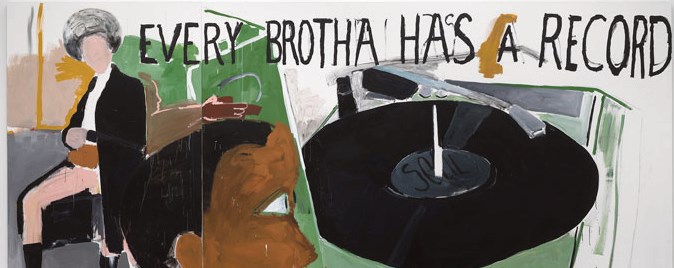
The most exciting news from the week was that on the first day of Art Basel, Henry Taylor’s painting titled “Every Brotha Has a Record” sold for a record $1.2 million, the highest for any Black artist at the fair!
Now that’s swagger; divine and otherwise!
Toniwg1@gmail.com Additional photos on 2B




No Comment