









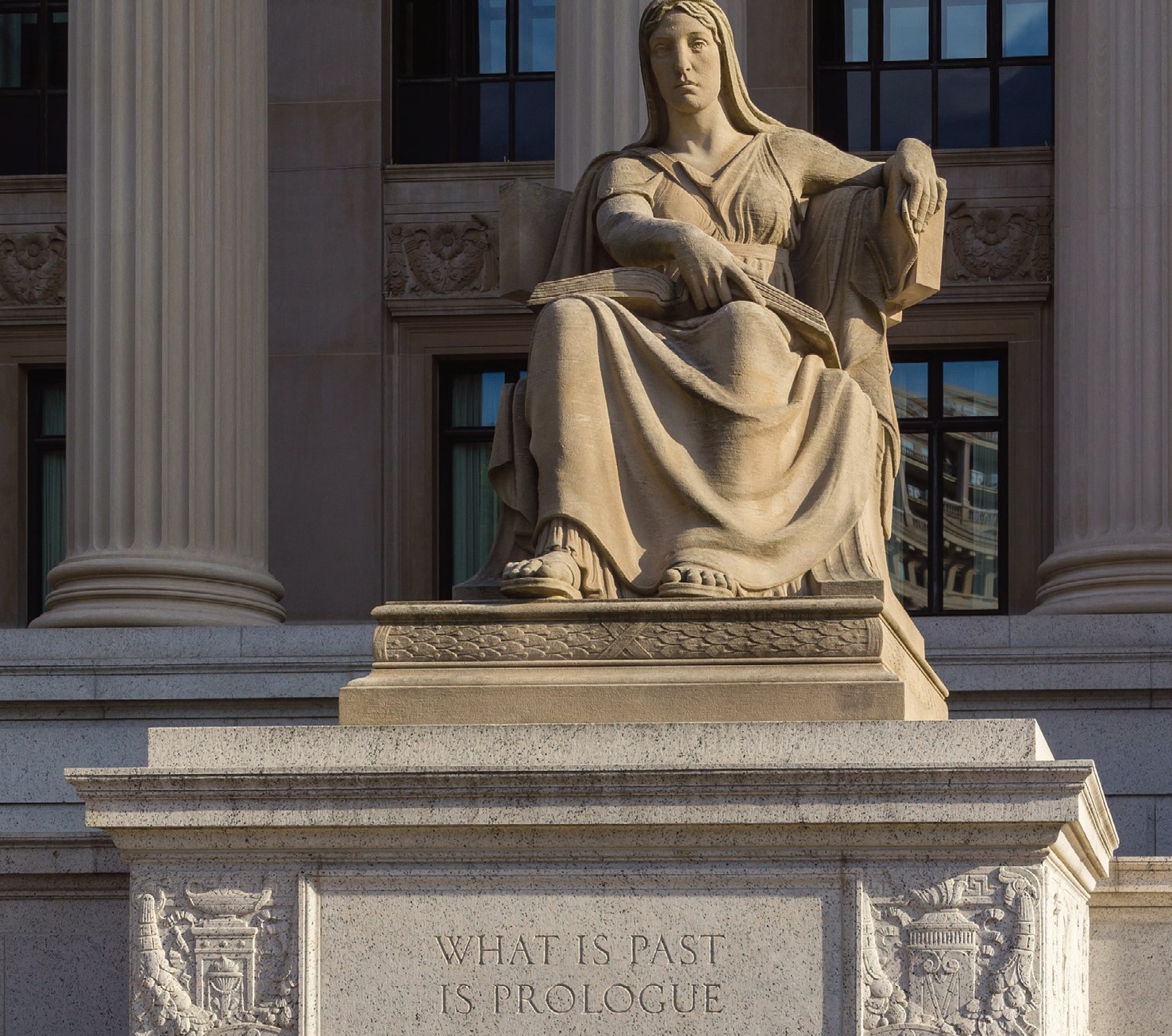
“What’s past is prologue,” a line from Shakespeare’s play, “The Tempest,” is often quoted and has become quite commonplace. The phrase offers both an opportunity for positive, hopeful thinking, as well as a warning to avoid repeating mistakes.
Thinking about the double meanings of the phrase has challenged me to rethink some matters, and how to remain hopeful and cautious.
For instance, I’ve been mistaken about what I think Black folk should or should not do under this current administration’s immigration policies and practices.
First, I have always believed that we occupy the moral high ground in matters pertaining to this country’s policies, practices, and predisposition for rendering justice and humanitarian treatment to all its occupants.
But I was mistaken to think that our attitude toward so-called foreigners would be solely rooted in our experience. Having been brought here in chains and used as chattel in bondage, I thought we might be more openminded, more egalitarian, more sympathetic to the plight of newcomers. Our stakes in this country’s history run deep. Our ancestor’s blood is literally the fertilizer of America’s prosperity. I thought this history would be the impetus to argue in support of people who come here voluntarily.
But I was wrong about my fellow Black Americans. We have gone mainstream! Too many are putting country first, forgetting or putting aside our history, and aligning with the majority position. How else to explain why the number of Blacks who voted for Trump 2.0 nearly double from the Trump 1.0 election, aligning with his immigration policies.
Much too often, I have heard my fellow Blacks refer to newcomers in this country with disdain, suspicion, and outright contempt of their arrival. It pains me when I hear Black folk spit out the word “immigrant” as a pejorative.
Speaking of newcomers, chew on this: There are reports that some companies and public institutions are hiring Black Africans to avoid DEI requirements to advance Black Americans! Described as “The Black Immigrant Paradox,” the practice is rooted in a bias that suggests Africans have a better work ethic than African Americans!
What? Don’t forget who built this country!
What a difference it would make if the two groups of Blacks can develop a strategy for both to win at America’s pattern of dividing and conquering minorities. If only we can get over any reticence we may have about treating that group as worthy of forming strong bonds. After all, history abounds with documentation of coalitions between Blacks and others, including various European arrivals between the late 1890s into the 1930s in the formation of labor unions. Also, much has been written about the strong alliances between Blacks, white social reformers, and Jewish supporters who famously helped organize the NAACP in 1909 and continued to lobby together to advance civil rights policies.
I fear the benefits of those past coalitions have been shelved or lost in an archive marked ‘expired.’ But we need coalitions to maintain our strength and bargaining position.
My next re-thinking came after I listened to activist Amanda Seals’s podcast during which she reminded me that there is a difference between being a reformist and a revolutionary. The former works within the system to help it change, while the latter works to replace the system.
As a revolutionary, while I am not organizing street protests, enacting any legislation, or leading a movement. I seek to provoke, stimulate, and offer different perspectives. And I remain optimistic.
I am very excited to see new forms of protest happening during the current armed occupation of Washington, DC. The Black, and other residents appear to have organized non-direct engagement as resistance in response to tyranny and oppression. Someone suggested that the protestors give the armed forces flowers. Now that is a real throwback to the decade of peace and love during the 1960s. “What’s past is prologue” indeed.
I loved seeing how this non-violent protest unfolded one-night last week when an impromptu band showed up in Dupont Circle, the “heart” of downtown DC, playing lively music and inviting protestors to dance in the streets. Their drumbeat formed a mighty coalition which offered a new prologue for future street demonstrations.
Hopefully, the past will continue to serve as prologue over the next three years. We have nothing but opportunity ahead if we can keep our eyes on the prize- by building broader coalitions with others.
And yes, we still need reformists as well as revolutionaries. Look to the DC mayor and the Chicago mayor as examples. And remember, as M. L. K. once said: “We can all be great, because we can all serve.” Toniwg1@gmail.com


No Comment