












KIONNE MCGHEE: The Miami-Dade Commission vice chair is among those against homeowners paying property taxes on primary residences. Hearings set for Sept. 22-23 in Tallahassee are next step toward voters in 2026. PHOTO COURTESY OF FACEBOOK
By David L. Snelling
Miami – Florida lawmakers are gearing up for two special hearings next week that could change the course of property taxes, to the dismay of local governments who rely on them to fund critical services.
House Speaker Daniel Perez, a Republican from Miami, formed the House Select Committee on Property Taxes which will determine the best approach for tax relief for property owners without impacting counties and cities’ budgets.
The hearings are set for Sept. 22-23 at the State Capital, as the 37-member bipartisan committee will weigh all options for property taxes reform, as homeowners and business owners in Florida are struggling to pay taxes due to inflation and rising housing costs.
Whatever measure they chose will go on the 2026 ballot for Florida voters approval.
Lawmakers couldn’t resolve the property and sales taxes issue during the 2025 Legislative Session but called a special session when lawmakers approved a $115 billion budget including a $1.3 billion package of tax cuts– sales taxes and commercial-lease tax.
But property taxes were shelved until Florida could study the issue to determine any impacts to smaller governments, which caused friction between Perez and fellow GOP leader, Gov. Ron DeSantis.
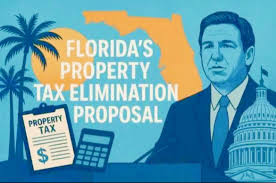
DeSantis was pushing to eliminate property taxes altogether, saying homeowners shouldn’t have to pay for homes they own.
Local governments can place a lien on residents’ properties for delinquent property taxes or initiate foreclosure proceedings to auction off their homes to pay off the balance.
DeSantis referred to ending property taxes like paying off a car note without any additional fees thereafter.
“Your personal home, we really believe, should not be subject to tax,” he said. “It should be taxed at the point of sale and never again after that.”
The House Select Committee on Property Taxes might avoid DeSantis’ proposal but other options for property tax reform will be debated.
They include reduction of property taxes, recalculating on property taxes are paid, capping millage rates, expanding Homestead Exemptions and eliminating tax liens foreclosures on properties.
Florida’s Chief Financial Officer Blaise Ingoglia is expected to share his report on the impact of property taxes overhaul.
Ingoglia and the state’s Department of Government Efficiency staff perform budget audits for most Florida governments to look for excessive and wasteful spending and fraud to determine if they can survive cuts to property taxes.
Property taxes account for about 60 percent of their budgets to fund police and fire rescue services, solid waste and other critical government services.
Ingoglia told reporters last month that over the past five years, the state has noticed that local governments have “greatly expanded” their budgets, and some raised the property taxes rate for homeowners and business owners.
“The budget that is funded by your property taxes, have gone up anywhere between 60% to 120%,” Ingoglia said. “Now, when you go back pre-COVID and you start factoring in inflation and population growth, those budgets should not have exploded anywhere near where they’re exploding right now.“
According to Tax-Rates.com, the average property tax rate in Florida is about 0.80 percent of a property’s assessed value, which translates to an average annual property tax payment of about $2,035 for a home valued at $300,000.
The median property tax in Florida is about $1,773 per year for a home valued at $182,400, however, property tax rates can vary significantly by counties with some cities having higher rates than the state average.
For Miami-Dade County, the average property tax rate is about 1.02 percent of a property’s assessed fair market value, with an average yearly property tax of about $2,756 for a home valued at the median price of $269,600.
The rate is about 0.85 percent, which is lower than the Florida state median of 1.14 percent.
Broward County has one of the highest median property taxes in the United States and is ranked 236 among 3143 counties nationwide in order of median property taxes.
The median property tax in Broward County, Florida is $2,664 per year for a home worth the median value of $247,500. Broward County collects, on average, 1.08 percent of property’s assessed fair market value as property tax.
Local government leaders warned that property taxes overhaul could jeopardize critical services, especially public safety.
Miami Dade faces a $402 million budget deficit for the next fiscal year and county officials are scrambling to balance a spending plan by proposing to cut funding from non profits providing crucial services to low income people and other vulnerable populations The county is also proposing to lay off employees and raise public transportation fees which sparked outrage from passengers.
Miami-Dade Mayor Daniella Levine Cava said the county’s budget crisis stems from less revenues from the state governments including a reduction in sales taxes.
She said a property tax overhaul would put the county in another difficult predicament and might have to cut crucial services.
“If adopted, these measures could have a direct negative impact on core County services, including law enforcement, fire/rescue and corrections which make up the majority of property tax supported County revenues,” she said in a statement.”
Miami-Dade Commission Vice Chair Kionne McGhee says he is against residents paying property taxes annually while trying to balance their household budgets.
“I believe that if you own a home in Miami-Dade that’s your primary residence and valued under $1 million, you shouldn’t pay a dime in property taxes,” McGhee said in a letter to the editor for the South Florida Times.
“The Miami-Dade property tax system is crushing working families and shattering dreams. With the average home value at $523,000 in MiamiDade, we are not talking about luxury estates — we are talking about everyday people like you and me trying to raise families, pay bills, and build a future.”



No Comment