










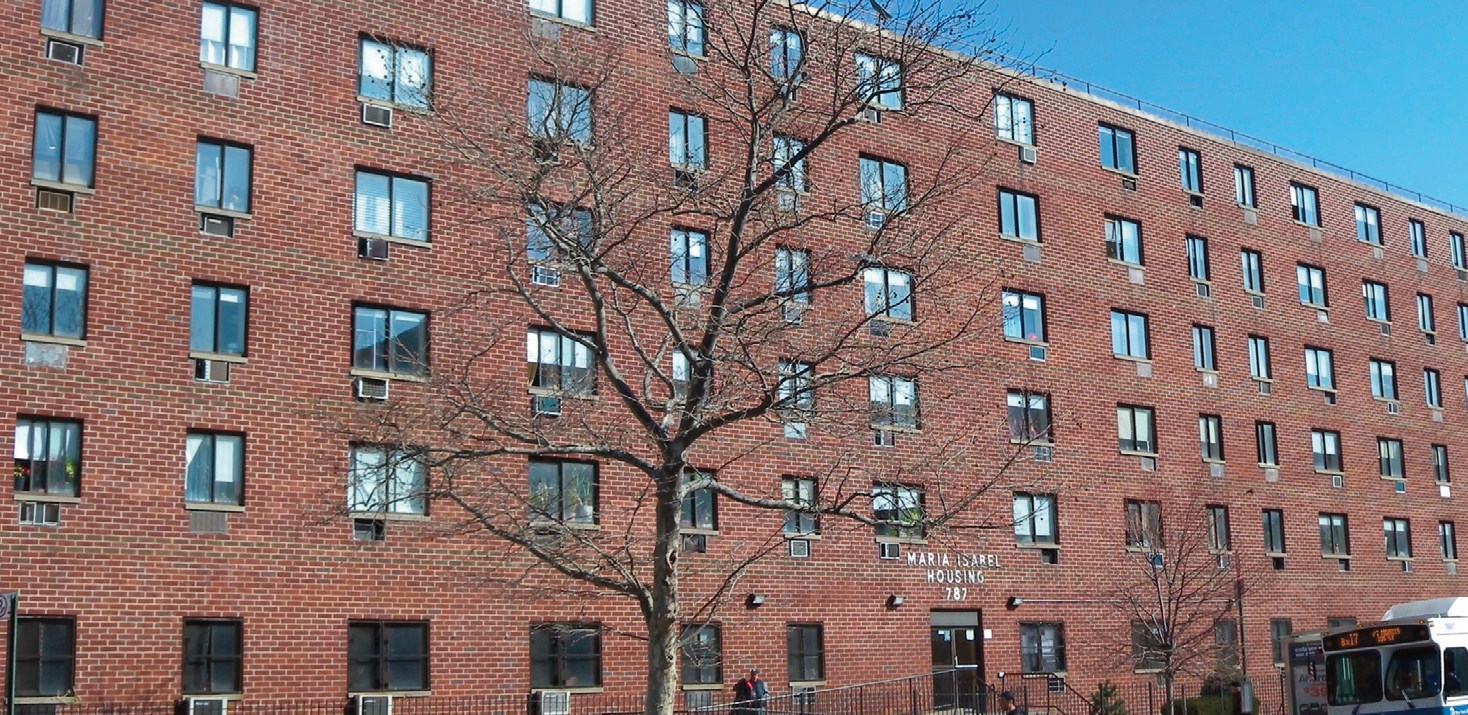
Section 8 housing PHOTO COURTESY OF WIKIPEDIA
By David L. Snelling
Miami – The President Donald Trump administration is proposing a two year cap on Section 8 rental vouchers, shifting the focus from aiding low-income people who are struggling for housing due to skyrocketing rental rates.
The Department of Housing and Urban Development (HUD) announced a plan to limit recipients’ time for Section 8 vouchers, which is part of Trump’s massive budget cuts for 20252026, impacting millions of people including those who are still on the waiting list.
The cuts might lead to reduced funding for the program, potentially limiting new enrollments and increasing wait time for assistance.
In addition, several proposals for changes in eligibility criteria and rental assistance policies, further impacting the availability of Section 8 housing.
Trump’s budget is shaking up housing assistance with the proposed twoyear limit on Section 8 rental vouchers for non-elderly, able-bodied adults.
Seniors and people with disabilities would still be eligible for longer-term help, but working families and single parents would have to move off the program within 24 months.
Trump’s budget is slashing HUD funding by more than 40 percent and turning federal housing programs into block grants for state governments to oversee.
A two-year limit on Section 8 rentals would impact roughly 2.3 million households and landlords who rely on the vouchers that pay a portion of the rent.
Low income recipients depend on Section 8 for long-term housing relief while raising children and trying to overcome financial hardship.
Housing market experts said housing and rental rates will soar after two years, leading to higher rates of eviction, housing insecurity and homelessness.
Some property owners may decide the risks outweigh the benefits and stop accepting Section 8 tenants altogether, making it even harder for families to find affordable places to live, especially in urban centers where demand is already high.
Florida and beyond are gripped by the affordable housing crisis and Section 8 rental vouchers were people’s last hope to find housing.
According to a study conducted by FloridaPolicy.com, the state’s housing market has seen a rapid increase in prices, with median rent prices rising by over 30 percent from February 2021 to February 2023.
This has made it challenging for low income households to afford a modest one-bedroom rental home, with many spending more than 30 percent of their income on housing.
The shortage of affordable rental housing is acute for renters with incomes below 80 percent of area median income, especially for those with incomes below 60 percent AMI.
The state’s construction trends show an increase in single-family and multifamily housing, but the demand for affordable options lags, leading to higher prices and a lack of affordable housing.
“Efforts to address the crisis include the Live Local Act and public-private developments, but no single solution has been found to effectively solve the issues,” the study said.
The budget cuts for HUD and Section 8 still need approval from Congress, which has previously rejected similar cuts.

No Comment