


Home arrow METRO arrow Study examines black breast cancer survivors
Subscribe

Login Form


Lost Password?
No account yet? Register
DIGITAL EDITION
Study examines black breast cancer survivors PDF Print E-mail
Written by JULIANA ACCIOLY   
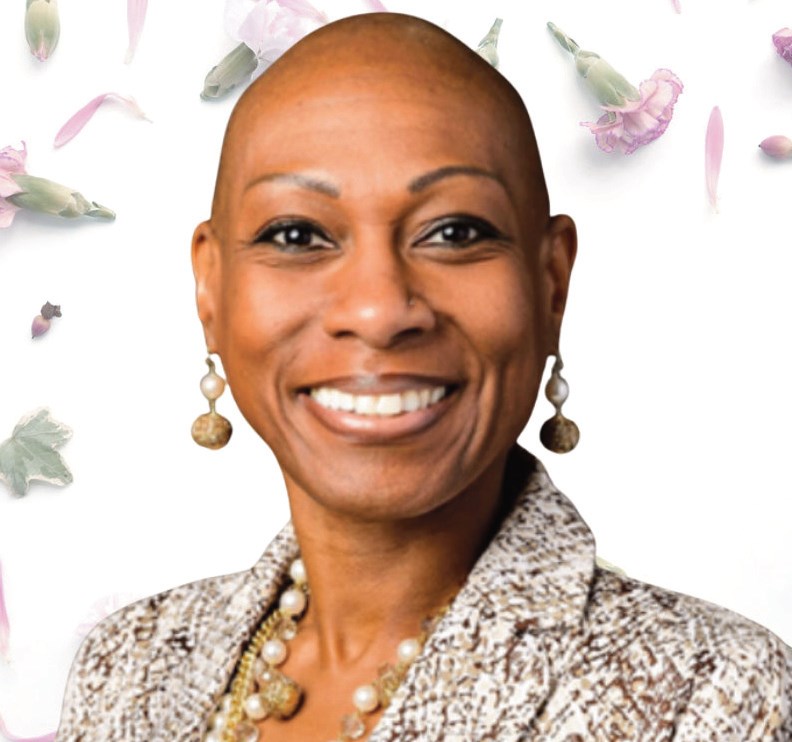
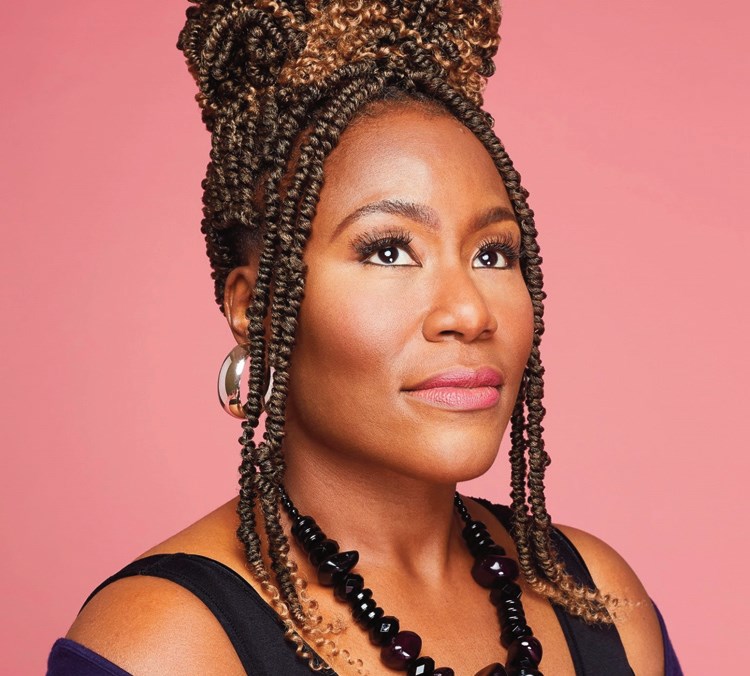
rhonda-smith_web.jpgRhonda M. Smith has fought many battles.

Growing up in 1960s segregated Virginia, she was not allowed to sit in the same classroom with a white child until the third grade.

As an adult and career woman, she has gone through countless episodes of racism in the corporate world. That’s not to mention the daily psychological warfare that in her 48 years she has endured every day from facing the world with colored skin.

But last May,  Smith found out she had another enemy. Through a self-exam, she discovered an immovable lump on her right breast. The shocking diagnosis of Stage I breast cancer came a couple of weeks later.

Six months of emotional and physical strife followed, as the Miami resident had to use her own savings to undergo a lumpectomy and intense chemotherapy and radiation treatments.

Once the active treatment phase was over, the cancer-free Smith had yet another frightening scenario to fight.

“As a patient, you feel like all that you were doing up (until the end of treatment) protected you, but once treatment is over then you’re left to your own devices,” she said.

With a new perspective on life, she decided to give 100 percent to shaping her wellness during the painful soul-searching phase. She exercised and meditated daily, engaged in a mostly organic-based diet, and enlisted the help of a nutritionist and doctor of integrative medicine.

“Even though I learned to accept my vulnerability, I decided to be proactive about what I could still control,” Smith said.

She also partnered with a group of researchers at the University of Miami Sylvester Comprehensive Cancer Center. The group was awarded $4 million by the National Institutes of Health to investigate the plight of black breast cancer survivors.

The 5-year study, dubbed Project CARE, seeks to teach women how to cope, adapt, renew, and empower one another after treatment.

“We wanted to place ourselves at the time when women are experiencing the most distress,” said Suzanne Lechner, research assistant professor of psychiatry and psychology and principal investigator of the study. “The post-treatment phase is often a neglected time for survivors.”

After screening and thorough interviews that evaluate distress levels, quality of life, depression, and cognition, the women participate in either a breast cancer education group, which Lechner said “goes back to what doctors did not explain well,” or a stress management group, which teaches women well-being tools such as relaxation and guided imagery.

“Ultimately, the goal is to set a gold standard for programs set for breast cancer survivors in the community.’’

Women are compensated with up to $500 for participating. After the 10-week program, they are analyzed for psychological and physical changes.

Lechner and her team have been examining stress management to better understand how group participation may affect women’s well-being for more than a decade. She said she hopes the study will also specifically uncover the unique social and psychological factors that affect the survivorship among black women.

According to the American Cancer Society, women of color suffer higher mortality rates than other racial groups stricken by the disease. A report released in 2006 by the Journal of the American Medical Association found that the risk of a less treatable, more deadly basal-type cancer was 2.1 times greater in black women. Authors said that could reflect the impact of prognosis of access to care, treatment and other differences from other racial groups.

To reach women of color and low incomes, Lechner and her team changed the previously used settings and types of intervention, and hired Smith to forge partnerships within the community.

Lechner emphasized that one of the goals of the study is to provide an optimistic and empowering atmosphere, where black women feel comfortable sharing their most painful experiences.

“We provide the type of setting where these things can be openly talked about.”

But, she said, recruiting remains a challenge.

“There’s a stigma attached to the breast cancer, a belief system when you get cancer, it could be fatal” Lechner said. “Some women don’t want to face it, much less talk about it.”

A lot of things can happen in a room where people tell the truth, Lechner said, adding that subtle racism is a recurring theme among the women during the 90-minute sessions.

“Unfortunately at the end of the day, the world is still black and white,” Smith said of the relationship between socioeconomic status and disparities in access to treatment.

Project CARE is currently enrolling eligible patients for the October and March group sessions. For more information, call 305-243-8367.

This e-mail address is being protected from spam bots, you need JavaScript enabled to view it

Photo: Rhonda Smith

Comments (0)Add Comment

Write comment
This content has been locked. You can no longer post any comments.

busy
 
< Prev   Next >
 
‘Takers’ gives new twist to crime-doesn’t-pay tale‘Takers’ gives new twist to crime-doesn’t-pay tale
Special to South Florida Times When Rob Hardy and Will Packer first came onto the film scene, they were peddling their sma...
Read more...
10 questions with  Idris Elba, star of the upcoming ‘Takers’10 questions with Idris Elba, star of the upcoming ‘Takers’
Special to South Florida Times The movie Takers, about a group of five men who are really good at robbing banks, stars I...
Read more...
Disco queen Donna Summer still reignsDisco queen Donna Summer still reigns
Staff Writer A near-capacity crowd of concert-goers got their disco on when the queen of the genre graced the stage at th...
Read more...
Young artist reaches for the stars in opera and classical musicYoung artist reaches for the stars in opera and classical music
The Daily Home TALLADEGA, Ala. (AP) — Jarrod Lee remembers lying in bed as a child with his grandmother, Mattie Lee, and ...
Read more...

The most influential African American weekly newspaper in South Florida

Beatty Media LLC