











By David L. Snelling
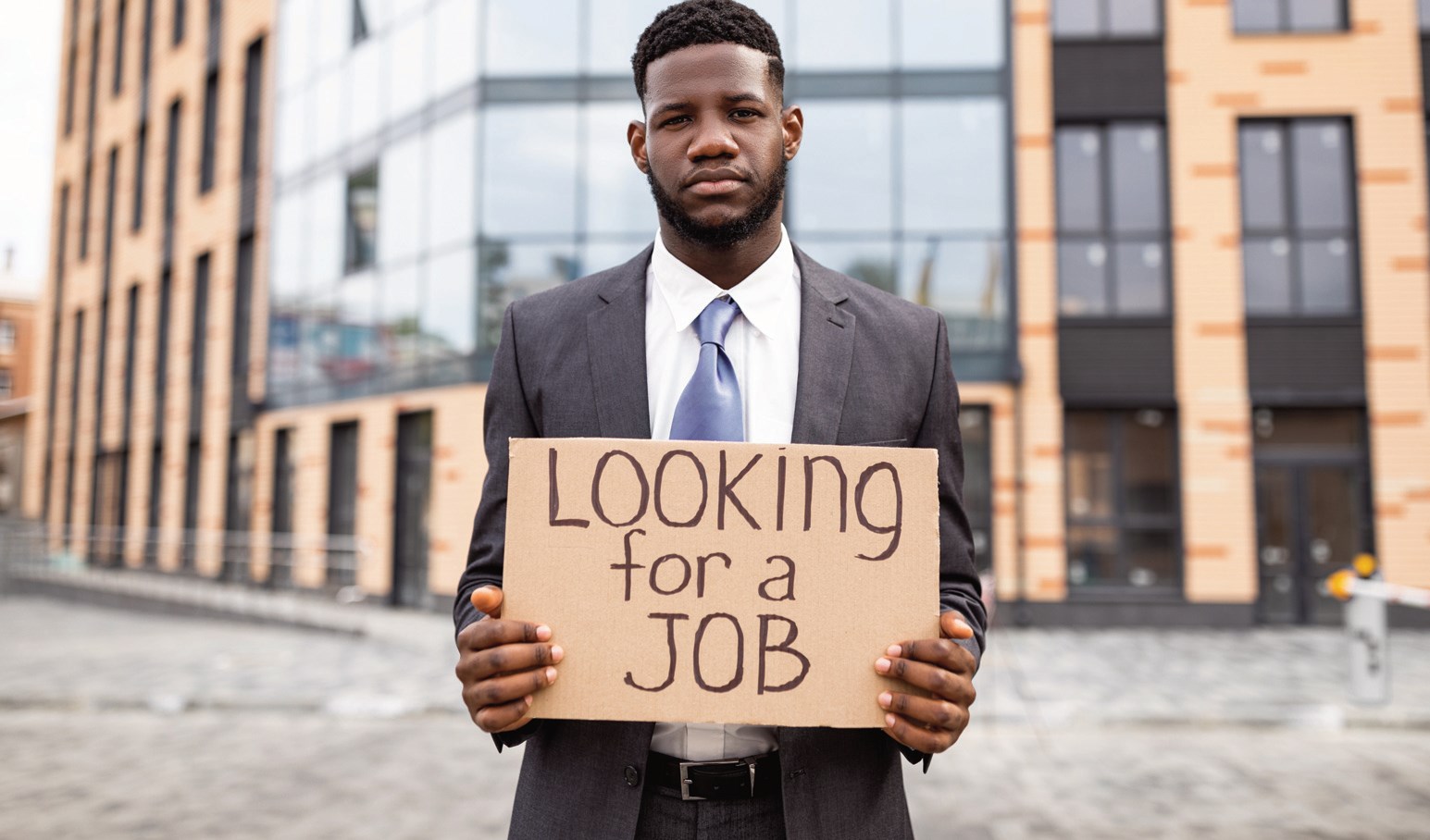
Miami – Unemployment among Blacks is on the rise despite the United States adding 22,000 jobs in August, according to a report by the Wall Street Journal.
Black women are feeling the brunt of the economic loss since President Donald Trump returned to the White House in January 2025.
More than 300,000 Black women nationwide are currently unemployed in record numbers due to federal layoffs, Trump’s DEI rollbacks and budget cuts. Experts warn this could be the largest workforce removal for the gender population in U.S. history if the trends continue.
According to the U.S Bureau of Labor Statistics, the Black unemployment rate is 7.5 percent. The unemployment rate among Black women rose from 4.2 percent to 6.3 percent between February and August, the highest since 2021.
Roughly, 300,000 Black women were left jobless in just five months.
Black women constitute 12 percent of the federal workforce, nearly double their share in the overall US labor force.
Between February and July, Black women lost 319,000 jobs across the public and private sectors.
They were the only major female demographic to experience steep losses during the five-month period.
In contrast, the unemployment rate for white women, 20 years old and older, remained steady at 12 percent from January to August, and 16 percent for Hispanic women.
The Wall Street Journal reports that private sectors added 54,000 new jobs and government agencies’ payrolls increased by 34,000 this year, including a total for both 22,000 in August.
However, economic experts said the figures fell short of the 106,000 mark the Dow Jones poll predicted, to boost the economy amid job losses and inflation.
Experts say the summertime is sluggish for new hires and the job market was thin for recent college graduates seeking employment, which pushed the Black unemployment rate to COVID-10 pandemic-era highs.
In August, during Black Business Month, Black unemployment for men and women jumped to 7.5 percent, it’s highest since October 2021 (7.6 percent), following rises in June (6.8 percent) and July (7.2 percent).
Blacks make up roughly 13 percent of the U.S. workforce and a decline in their employment can significantly impact both Black communities and the broader economy, as their buying power is projected by Nielsen to reach $2 trillion by 2026, up from $1.7 trillion in 2024.
Some economists say Blacks are the first to be laid off during an economic downturn, budget cuts and companies reorganization.
“The most vulnerable people tend to get laid off first, and unfortunately, that tends to be Black Americans, and that’s something that is very disturbing in and of itself,” said Diane Swonk, a chief economist at accounting firm KPMG US.
The pandemic saw record numbers of Blacks losing their jobs.
According to Georgetown University, the unemployment rate for Blacks spiked to 16.7 on April 2020, which was the highest during the pandemic.
Companies either downsized to meet their budgets, shortened hours of operations due to federal law or shutdown permanently.
For racial disparities, Blacks had a harder time than whites and Hispanics bouncing back from hardship during the post-pandemic era, as less of the population couldn’t find jobs in 2021 and 2022.
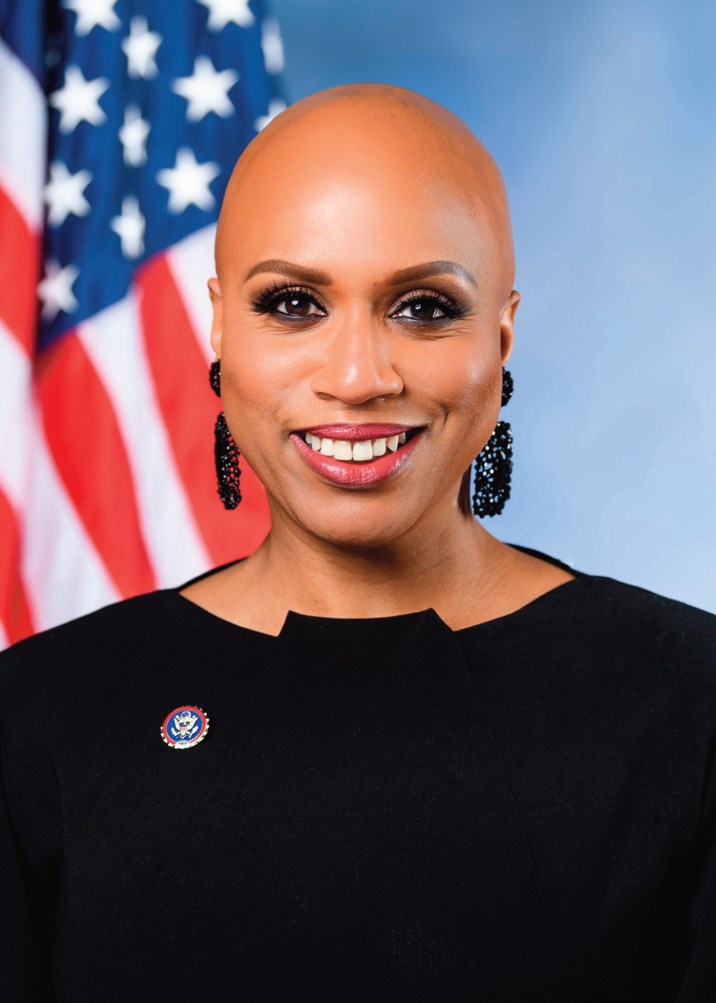
Rep. Ayanna Pressley (D-MA) is urging Federal Reserve Chair Jerome Powell to address the sharp increase in Black unemployment, particularly among Black women. Pressley called the rate for Black women “a glaring red flag” for the overall health of the U.S. job market.
“When the rest of the country gets a cold, Black folks get pneumonia,” Pressley said.

No Comment