










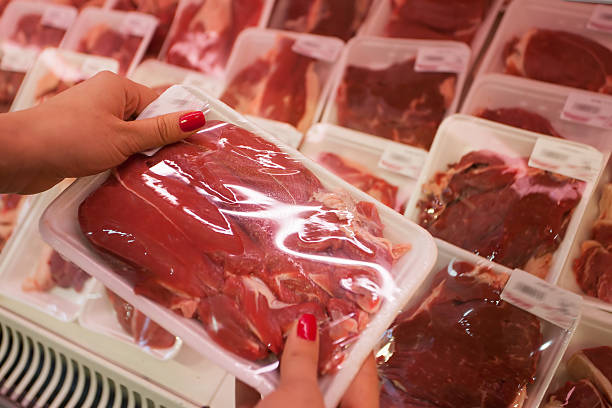
Photo courtesy of iStock
Doctors and other medical experts’ series of studies suggested eating excessive red meat puts people at a higher risk for developing type 2 diabetes.
But a recent study is suggesting otherwise.
According to Tech Explorist, an analysis says no significant impact of red meat on fasting glucose, insulin sensitivity, or HbA1c, means the reasons behind the observational link remain unclear.
It may be due to “residual confounding”: people who eat more red meat often have other lifestyle or dietary habits that raise diabetes risk, or to biological mechanisms we don’t yet fully understand.
Kevin C Maki, PhD, Adjunct Professor in the Indiana University School of Public Health-Bloomington, and senior author of the article, said, “Results from this gold standard RCT build on existing scientific evidence that shows eating beef as part of a healthy dietary pattern supports heart health and does not adversely impact measures of blood sugar regulation or inflammation.”
“When beef is consumed as part of a healthy dietary pattern, it helps fill essential nutritional gaps and does not adversely impact the cardiometabolic risk profile compared to poultry.”
In the U.S., more than 135 million adults either have type 2 diabetes or are at high risk of developing it, making trustworthy nutrition advice essential.
The latest study set out to compare beef and poultry in adults with prediabetes, looking at how each affects the pancreas’s insulin‑producing β‑cells, overall blood sugar balance, hormone responses, cholesterol and other blood lipids, and markers of inflammation.
“Regular beef intake does not appear to worsen metabolic or inflammatory risk factors compared with poultry,” said Indika Edirisinghe, PhD, noting that even though the study lasted only a month, that timeframe is usually enough to detect changes in metabolism.”

No Comment