










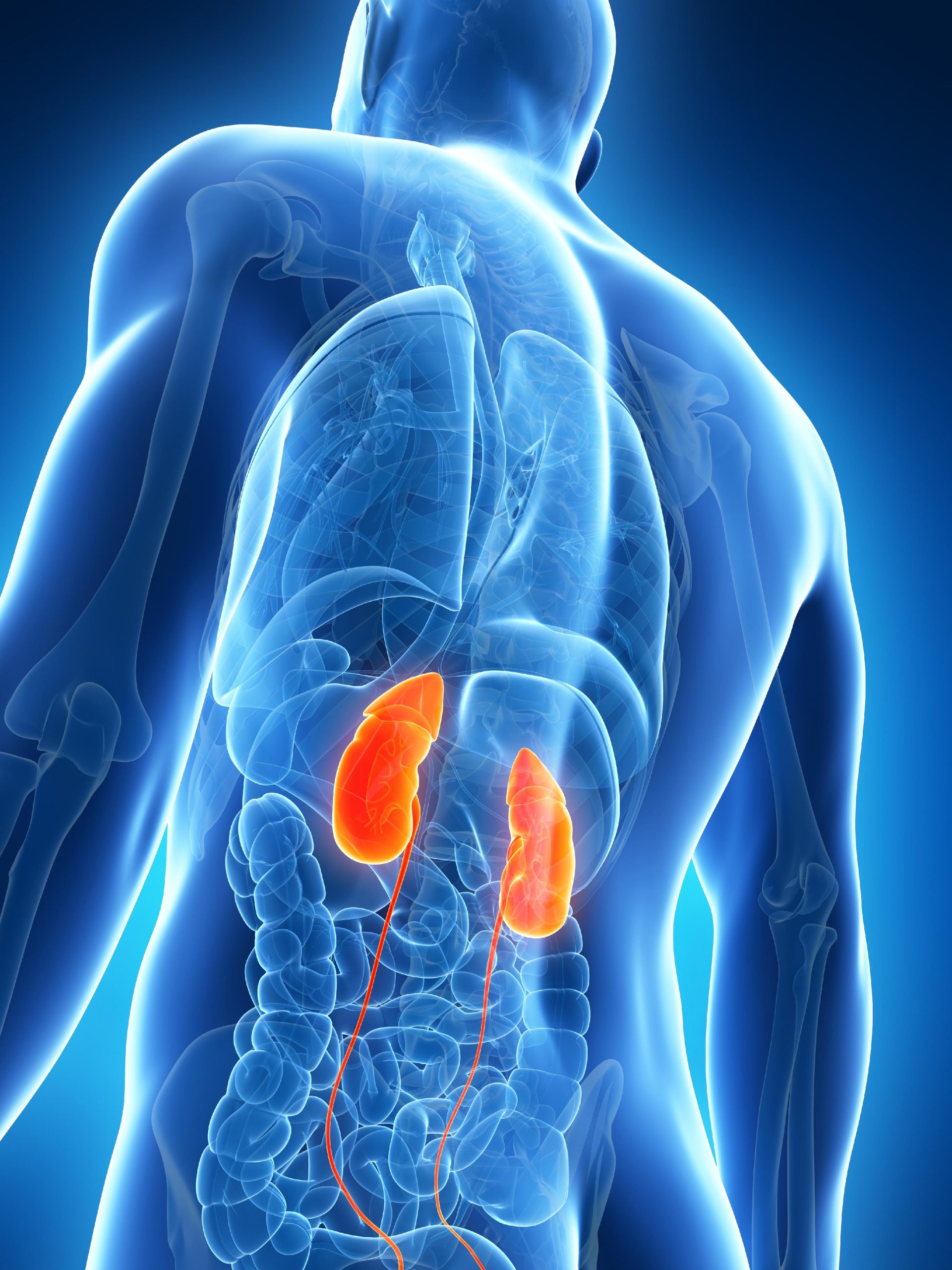
Photo courtesy of Trufflecarts.com
MIAMI – Kidney disease ranks as a leading cause of death in the U.S. and beyond, often surpassing other major diseases like cancer.
According to the Centers for Disease Control and Prevention, chronic kidney disease affects more than 1 in 7 adults, with many unaware of their condition.
It can progress to end-stage kidney disease (ESKD), which requires dialysis or transplantation.
Risk factors include hypertension, also known as high blood pressure, and diabetes which can cause kidney failure.
According to the National Kidney Foundation, kidney disease is responsible for more deaths annually than breast cancer or prostate cancer, highlighting its severity as a public health crisis.
From 2017 to 2020, Black adults were 47 percent more likely to have chronic kidney disease than U.S. adults overall.
In 2022, Blacks were 95 percent more likely to die of kidney disease than the U.S. population overall.
Because the kidneys can gradually lose function over many years, many people do not realize anything is wrong until significant damage has already occurred.
Detecting kidney disease early is very important because treatment can slow its progress and reduce the risk of kidney failure.
As people grow older, kidney function naturally declines to some extent.
However, certain medical conditions can speed up this process.
High blood pressure and type 2 diabetes are the two leading causes of chronic kidney disease, but heart disease, obesity, smoking, and a family history of kidney problems can also increase the risk.
One of the biggest challenges is that early kidney disease usually causes very few symptoms.
Many warning signs can easily be mistaken for normal ageing. Changes in urination are often among the earliest clues. A person may urinate more or less often than usual, notice foamy urine, darker urine, or even blood in the urine.
Swelling in the feet, ankles, legs, hands, or around the eyes is another common sign. When the kidneys cannot remove excess salt and fluid properly, water builds up in the body’s tissues. Some people also notice that shoes, socks, or rings suddenly become tighter than before.
Persistent tiredness and weakness may also signal kidney disease.
Damaged kidneys produce less of a hormone called erythropoietin, which helps the body make red blood cells. This can lead to anaemia, leaving people feeling exhausted, short of breath, or lacking energy for everyday activities.
Other symptoms may include poor sleep, dry and itchy skin, muscle cramps, reduced appetite, nausea, vomiting, or difficulty concentrating.
As waste products build up in the bloodstream, they can affect many parts of the body, including the brain.
Some people also feel unusually cold because anaemia reduces the amount of oxygen carried around the body.
If kidney disease is diagnosed early, treatment can often slow its progression.
Doctors may recommend better control of blood pressure and blood sugar, healthy eating, regular exercise, stopping smoking, maintaining a healthy weight, and taking medicines that protect kidney function. In advanced cases, dialysis or a kidney transplant may eventually be needed.
Recognizing the warning signs, attending regular health checks, and seeking medical advice when symptoms appear can make a major difference in protecting kidney health and maintaining a better quality of life.



No Comment