








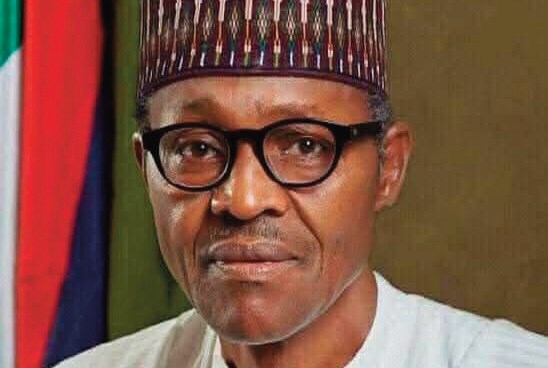
Lagos, Nigeria (AP) – Former Nigerian President Muhammadu Buhari was buried Tuesday in his northern hometown as thousands of people lined the streets to say goodbye.
Buhari died aged 82 on Sunday in London after battling an undisclosed illness that kept him out of public life since he handed over power in 2023. Current President Bola Tinubu and several regional leader attended. Senegal’s President Bassirou Faye described Buhari as a “leading figure in Nigerian and and African political life."
Buhari ruled Africa’s most populous nation twice as a military dictator and democratic president and was one of the country’s most influential figures. His presidency was marked by a prolonged health crisis that led to long medical trips abroad.
His legacy includes a widespread clampdown on human rights, isolationist economic policies and escalating insecurity.
He first came to power in a coup in 1983 and was ousted two years later. He then won presidential elections in 2015 and 2019, making him the second-longest Nigerian leader.
He is being remembered as a divisive figure who oversaw one of the country’s most troubled periods.
“He inherited unprecedented goodwill and squandered it," Olive Chiemerie, a Lagos-based writer, told The Associated Press. "His legacy is one of missed opportunities, deepening inequality and a country left to pick up the pieces.”
Some highlights of Buhari’s presidency:
‘EndSARS’ protests
In October 2020, thousands of youths took to the streets to protest against the Special Anti-Robbery Squad, or SARS, a police unit accused by rights groups and others of extrajudicial killings, torture and extortion.
Buhari initially responded by disbanding the unit. As the protests grew stronger with broader demands for better governance, however, his government deployed security forces to resist the demonstrations.
On Oct. 20, soldiers opened fire at peaceful protesters in the economic hub of Lagos, killing at least 12 people, according to rights groups. Buhari didn’t acknowledge the shootings in a nationwide address that called protesters “rioters” and warned them against “undermining national security." Ban on Twitter
Months after the protests, many Nigerians took their anger online, mostly on Twitter, to rail against institutional corruption, economic woes and escalating insecurity.
The matter spiked after Twitter removed a tweet from Buhari’s account about a secessionist movement, calling it abusive. The Nigerian government responded by suspending access to the platform for seven months.
That further heightened concerns over human rights. As a military dictator in Nigeria in the 1980s, Buhari had brooked little criticism. As president, he detained political opponents and several journalists. Nigerian police operatives once stormed a courtroom to re-arrest activist Omoyele Sowore, drawing outrage from the judge and many Nigerians.
An ailing economy
Buhari pursued economic policies that Nigerians said imposed huge strains on the economy, forcing it to dip into recession in 2016 and 2020.
In 2019, he closed the border to all goods with the goal of spurring local production, especially of agricultural products, which sparked surging inflation.
In the face of a dollar shortage as a result of a slump in oil production and falling oil prices globally, his government pegged the local currency to the dollar at an artificial rate, worsening the naira’s value.
“Buhari left a legacy of debt that continues to sabotage the economic efforts of his successors,” said Akeem Alao, a teacher in Lagos.
Security crises
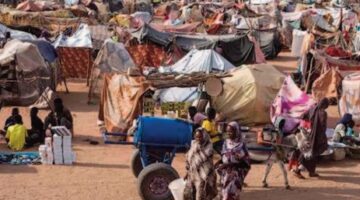
Buhari’s administration failed to rid Nigeria of its security woes — a key election promise and an ambitious one in a country long threatened by Boko Haram extremists and a breakaway faction. The years of violence have killed at least 35,000 people and displaced more than 2 million.
While Buhari was president, the extremists expanded beyond the northeast and partnered with other armed groups in the north to carry out attacks, including on a passenger train near the capital, Abuja, and a jailbreak there.
Buhari’s government often declared that Boko Haram had been “technically defeated,” to the scorn of critics.


No Comment