










Photo courtesy of STOCK
By LINDSAY WHITEHURST,
NICHOLAS RICCARDI
Associated Press
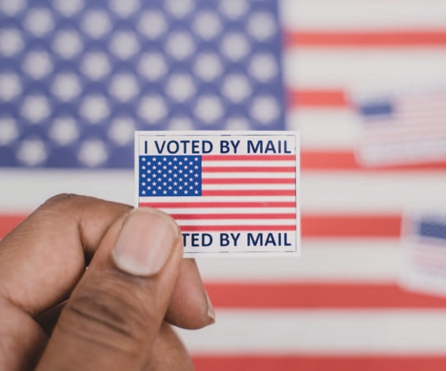
WASHINGTON (AP) — The Supreme Court opened a path Monday for possible implementation of President Donald Trump’s executive order restricting mail-in voting, though it remains unclear how much can be put in place before the fast-approaching midterm elections.
The decision leaves room for additional court challenges that could further slow Trump’s order, and other similar cases have already been filed. The U.S. Postal Service laid out how it would implement the order last week, but time is running short to impose major changes. North Carolina is sending out ballots Sept. 4 overseas and to military voters, and other states will quickly follow suit in just a few weeks.
The Supreme Court’s conservative majority didn’t decide the legality of Trump’s order, instead ruling that states who sued did not have the legal right to challenge it.
While the emergency order is not final, it does have the potential to create chaos around voting across the country, with Trump often questioning the integrity of elections and the nation’s highest court again the possible arbiter of a political controversy.
“The Court’s disposition of this application does not mean that any measure taken by the Government to implement the Order will necessarily be lawful. On that score, time will tell,” the majority wrote in an unsigned order.
The three liberal-leaning justices publicly dissented, with Justice Ketanji Brown Jackson writing that the rule “lets another shoe drop in the Kafkaesque nightmare that our precedents have been steadily creating for certain plaintiffs who seek to bring election-related challenges.”
New York Attorney General Letitia James foreshadowed more legal fights ahead, calling the decision a “painful setback” but vowing it would “not be the final word.”
The court’s order opens a path for the administration to begin action to restrict mail voting, but it also could lead to further litigation that could freeze the federal government again.
“This is just the first inning of a very fast nine-inning game,” said Derek Muller, a law professor at Notre Dame University.



No Comment