










Photo courtesy of ar.inspiredpencil.com
By David L. Snelling
A GOP lawmaker is intensifying the debate over Temporary Protection Status, proposing to repeal the policy and send holders back to their home countries.
U.S. Rep. Andrew Clyde (R-Georgia) has introduced the Territorial Protection and Sovereignty Act, to completely end TPS after the House extended deportation protection for 350,000 Haitians nationwide.
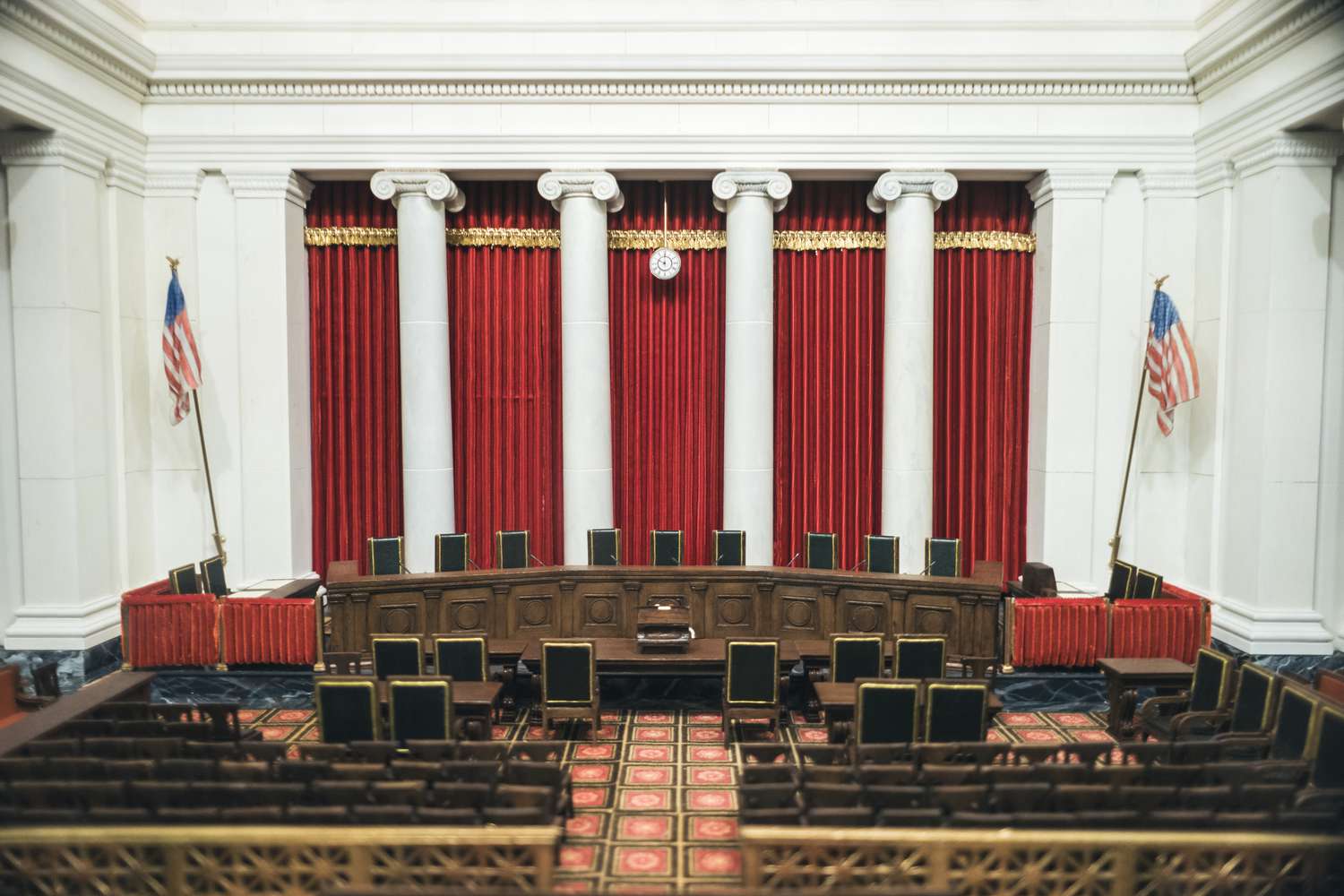
The United States Supreme Court will weigh the issue with oral arguments set for April 29, 2026 in the case of Lesly Moit versus Trump which also includes TPS for 3,000 people from Syria.
Clyde’s legislation would give TPS holders 60 days to leave the U.S. or face deportation.
He argues TPS has been misused for decades, turning into what he calls ‘permanent amnesty’ and an ‘amnesty loophole’ that Congress should close.
Clyde said a rift is growing among his party when House Republicans joined Democrats to extend TPS for three years for Haitians, indicating the GOP split was a slap in the face to President Trump who has made several attempts to end Haitians’ stay in the U.S.
Now, Haitians and Syrians’ TPS hangs in the balance with the highest court in the nation.
In voting to extend TPS, House Republicans including Maria Salazar and Mike Lawler broke ranks and sided with Democrats, citing economic needs and humanitarian concerns, such as the loss of healthcare workers in their districts.
According to political analysts, the vote marks a significant public split over immigration policy within the Republican caucus, challenging party unity on a high-profile issue.
Even if Clyde’s bill advances in the House, it faces steep odds in the Senate, where 60 votes are needed to overcome a filibuster.
TPS, which was the cornerstone for former President Biden’s immigration policy, has been at the center of debate since Trump’s return to the White House in 2025.
In February 2027, a federal court in Boston stymied the Trump administration’s bid to immediately end TPS, which was originally set to expire in February 2026.
Instead, U.S. District Judge Ana Reyes extended TPS for Haitians due to the concerns that the termination process was motivated by racial animus and they face imminent danger if they return to the gang-torn nation.
Reyes, who reportedly received death threats following her decision, ruled that ending TPS was likely influenced by hostility towards nonwhite immigrants, which she deemed unlawful.
TPS allows Haitians to flee their home country due to humanitarian crises, natural disasters and political turmoil, and live and work in the U.S. until the conditions improve.
Former President Barack Obama approved TPS for Haitians, who were illegally in the U.S., and those devastated by the 2010 earthquake which killed an estimated 300,000 people and caused $8.1 billion in damages.
The Biden administration also granted TPS to Haitian nationals who were caught in the crossfire of gang violence and extended their time in the U.S. right before he left office.
Haiti’s rebuilding stages after the earthquake hit a snag when Haitian President Jovenal Moise was assassinated and the subsequent gang violence spiraled out of control.
According to the United Nations, since the gang violence erupted, especially in the capital of Port-au-Prince, more than 2,000 people have been murdered and 1,114 kidnappings have been reported, according to the Borgen Project, a nonprofit organization that advocates for U.S. policies and programs to reduce global poverty, hunger and violence.

No Comment