










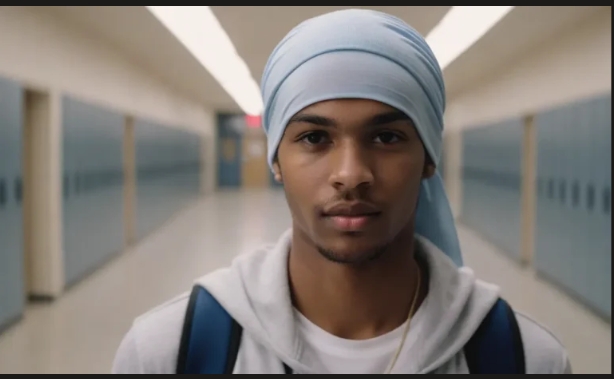
Photo courtesy of Truthinamericaneducation.com
By David L. Snelling
MIAMI – HBCU Tuskegee University is making waves after imposing a strict dress code which includes banning students from wearing durags, bonnets and bedroom shoes outside the dorm rooms and in classrooms.
But another private HBCU, Florida Memorial University, enacted a stringent dress code for students long before Tuskegee University decided to prohibit similar clothing and head and footwear.
According to its dress code in the 2024-2025 student handbook, FMU, located in Miami Gardens, bans headscarves, bonnets, hair rollers, night wear and bedroom slippers outside of the student’s residence hall.
FMU also prohibits swimwear on campus, all students must wear shirts and tops while in public or common areas on campus, and undershirts, specifically sleeveless, cannot be worn as an outer garment.
Furthermore, attire or jewelry must not include any derogatory, offensive, lewd language or images, and it is unacceptable for students to wear provocative attire such as garments which expose the abdomen, other parts of the body, and/or are too revealing.
It is also against FMU policy for students to wear pants, slacks, jeans, shorts, etc., below hip level exposing their underwear.
“Clothing must be in good taste and appropriate for the occasion or setting at all times,” the student handbook for dress code said. “All faculty and staff members are expected to encourage students to comply with the Florida Memorial University’s Dress Code Policy as presented. If evidence of willful disregard for this policy is observed, any faculty or staff member can initiate enforcement by writing an evidential report to the Dean of Students.”
Students who violate the dress code can be turned away from attending classes and repeated offenses could lead to disciplinary action.
FMU officials couldn’t be reached for comments addressing the importance of a strict dress code.
One incoming freshman, who didn’t want to be identified, said she agrees with FMU and Tuskegee University’s dress code.
“College is a professional place,” she said. “You wouldn’t see people working in companies, governments and courts wearing that type of clothing. College is preparing us to act and dress professionally, not looking the way you would dress at home and around the neighborhood.”
Tuskegee University’s strict dress code will take effect on opening day as students will see a different look, as the Alabama school revised a series of campus guidelines for a more professional look.
The decision divided students and the Black community: some praise the new regulation while others say it violates students’ rights to express themselves in a culture synonymous with Hip Hop.
In a letter sent to parents of incoming students ahead of the Fall 2026 semester, Tuskegee University President Dr. Mark A. Brown announced the updated policy for stricter dress code by banning durags, bonnets, and bedroom shoes in academic and common spaces, alongside tightened attendance rules and new in-class cell phone restrictions.
As the Alabama institution prepares to welcome its largest freshman class in 32 years, what Dr. Brown has dubbed the university’s “Renaissance Era,” the leadership team wants to foster career readiness, character development, and personal presentation.
According to the university’s announcement, the new standards apply directly to classrooms, dining halls, and official university events such as Convocation.
Under the revised student handbook guidelines, casual lounge wear, including durags, bonnets, bedroom shoes, slippers, and excessively revealing clothing, is strictly off-limits in classrooms and cafeteria spaces.
Like FMU, Tuskegee professors and faculty staff can enforce the new regulations by turning away students who enter the classroom, and confiscate cell phones and other devices during lectures.
Supporters of the policy argue that Tuskegee is simply honoring the traditions of excellence established by its founder, Booker T. Washington.
They said the restrictions help students prepare for their careers by dressing in professional attire in public places including internship programs and attending school functions and other events.
However, critics point out that head coverings like durags and bonnets serve a functional purpose in protecting Black hair care have been part of the Black culture for decades.
They also said prohibiting casual wear in the college’s cafeterias and morning lectures went a little too far.
“When did we lose pride in representing ourselves?” Comedian Mo’Nique asked on social media. “When did we step away from saying let me make sure I’m presentable when I leave my home? Let me make sure I’m representing my family that I created. When did we step away from that?”
Photo courtesy of Truthinamericaneducation.com

No Comment