

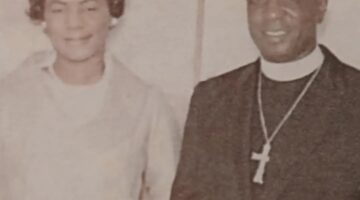






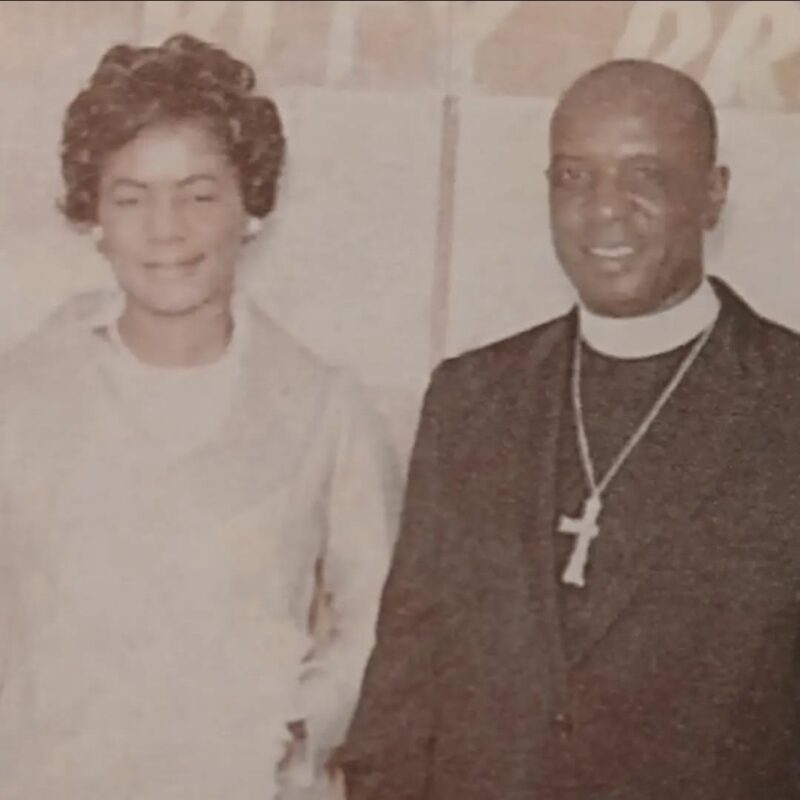
Pioneers Thelma and Rev. Theodore Gibson (Photo courtesy of Facebook)
By David L. Snelling
South Florida Times
MIAMI- Black trailblazers Rev. Theodore and Thelma Gibson will have a street named in their honor in Coconut Grove.
The Miami Dade County Commission approved a resolution last week to codesign a stretch of Franklin Avenue between Southwest 37th Avenue (Douglas Road) and Plaza Street as ‘Rev. Theodore and Thelma Gibson Way, honoring the couple for their decades of civil rights leadership and preserving the Bahamian cultural backbone in the west section of Coconut.
Rev. Theodore and Thelma Gibson have deep Bahamian roots and the Caribbean people were the first settlers before the City of Miami incorporated in 1896.
Rev. Gibson was the second Black to serve on the Miami City Commission and his wife was appointed to serve on the same board on an interim basis in the 1990s.
Rev. Gibson was appointed to the Miami City Commission in 1972 and spent a decade advocating for Blacks and Hispanics inclusion in civil service and higher administrative positions.
Born to Bahamian parents and raised in Overtown, Rev. Gibson helped break down racial barriers in Miami and improve community conditions.
In 1959, he led the charge to break the racial barrier at Crandon Park Beach on Key Biscayne, where Blacks were banned and filed lawsuits to desegregate downtown lunch counters, department stores and Miami-Dade County public schools.
Rev. Gibson was also among the Black leaders to designate Virginia Key Beach Park Miami’s only Colored beach in the 1960s during segregation.
Blacks were prohibited from swimming in the barrier island communities of Miami Beach.
He also pushed for city ordinances ensuring running water for all citizens and removing unsafe housing, and helped establish the Richmond Heights community for quality African American housing.
As president of the Miami NAACP from 1954–1964, Gibson defied a 1959 Florida legislative “Johns Committee” demand for the chapter’s membership list, citing civil liberties.
He was charged with contempt, jailed, and fined, but the U.S. Supreme Court ruled in his favor in 1963, a landmark victory for privacy and civil rights.
Rev. Gibson died in 1982.
Born to Bahamian immigrants, Thelma Gibson, a community activist, advocated for affordable housing and preserving some of the buildings as historic landmarks after developers purchased homes and land in the section of West Coconut Grove.
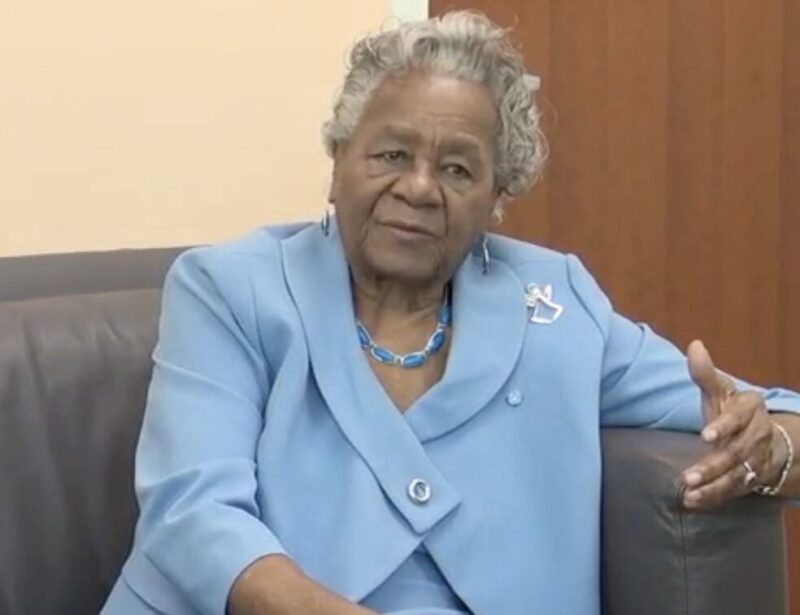
They initially had planned to build large scale developments such as condos, office buildings and shops, but they listened to Gibson who was heralded for her efforts.
Gibson, who was born on December 17, 1926 in Coconut Grove, where she grew up in a segregated neighborhood known as “Colored Town.”
Despite challenges during segregation, Gibson pursued her education at Columbia University and became a registered nurse specializing in operating techniques.
But during segregation, she was not permitted to work in the operating rooms at Jackson Memorial Hospital in Miami.
Instead, she served in what was then called the “colored wards,” caring for patients with skill and compassion.
In 1964, she made history as the first Black supervisor of nursing at the Dade County Health Department.
Gibson’s career spanned over three decades, during which she served in various health organizations and became a key community leader.
Her work expanded access to care and strengthened Miami’s healthcare infrastructure.
She was instrumental in founding the Women’s Chamber of Commerce of Dade County and the Thelma Gibson Health Initiative, which was designed to improve the lives of people living in low income areas.
Gibson was appointed to the city of Miami Commission on an interim basis in 1997.
She died in February 2026 at the age of 99.
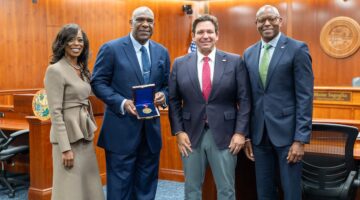
Miami-Dade County Commissioner Raquel Regalado sponsored the resolution to name the stretch of the roadway in the Gibsons’ honor to reflect decades of dedication to civil rights and healthcare.
Her district covers the area.
On March 12, 2026, the City of Miami Commission also voted to co‑designate the stretch of Franklin Avenue between SW 37th Avenue (Douglas Road) and Plaza Street as “Rev. Theodore and Thelma Gibson Way.”
The city needed a similar resolution from the county to make it official.
Keep reading for free
You can unsubscribe from the newsletter at any time.


No Comment