









Photo courtesy of the American Heart Association
Blocked arteries in the heart muscle can lead to a massive heart attack and stroke.
But there are signs the arteries are experiencing a blockage that could save your life.
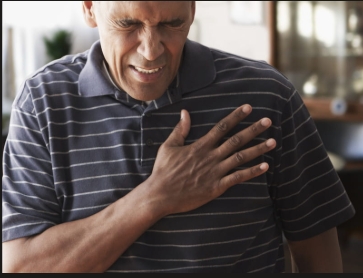
According to Knowridge, a medical and science organization that publishes and conducts studies on human health, said one of the best-known warning signs is chest discomfort, often called angina.
It may feel like pressure, squeezing, heaviness, burning or tightness rather than a sharp pain.
Most likely, people are suffering from coronary artery disease, and it develops when the blood vessels that supply the heart become narrowed over time.
When this happens, immediate emergency medical services are needed to save people’s lives.
Coronary artery disease develops overtime due to high cholesterol, unsaturated fats, hypertension, smoking, lack of exercise, obesity and poor dieting.
Family history is also a major risk for heart disease.
Heart problems do not always look the same in everyone.
Some people, including many women, may experience nausea, sweating, dizziness, back or jaw discomfort, breathlessness or unusual tiredness without severe chest pain.
Some heart attacks can even happen with very mild symptoms.
These are sometimes called silent heart attacks, and they are particularly concerning because a person may not realize that the heart has been damaged.
People with diabetes may have a greater risk of missing warning pain because long-term high blood sugar can damage nerves.
This can make some symptoms of heart trouble harder to notice.



No Comment